
 Annuaire


Supramolecular Chemistry and Chemical Biology
GENERAL PRESENTATION
Animated by Laure GUY and Denis FRATH
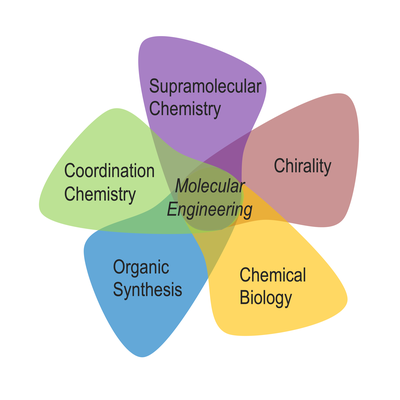
The Supramolecular Chemistry and Chemical Biology (CSCB, Axis 2) gathers 11 permanent staff, and approximately 22 PhD students and post-doctoral fellows. It is historically linked to the pioneering work of André Collet in the field of chirality and molecular recognition. The themes developed within the axis have since then diversified considerably to meet the major contemporary challenges of supramolecular chemistry, particularly in biological chemistry, environmental chemistry and in the field of materials. The main scientific objectives are structured around the four following themes: chemistry in confined space, molecular probes and biosensors, responsive (supra)molecular molecules and materials, and dynamic combinatorial chemistry. The scientific coherence and cohesion of researchers within the axis are based on a common foundation of skills and cross-disciplinary expertise in molecular and supramolecular engineering, host-guest chemistry, coordination chemistry and in the field of chirality.
PROJECTS
Molecular Probes and Biosensors
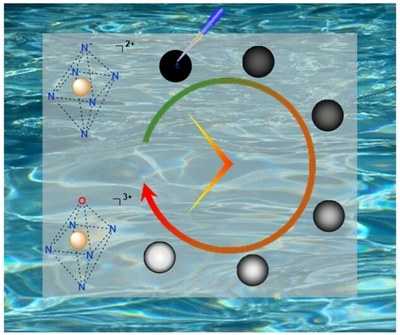
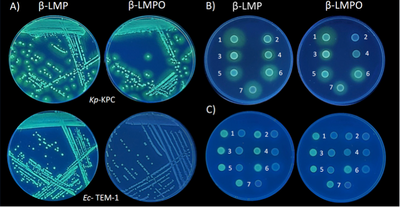
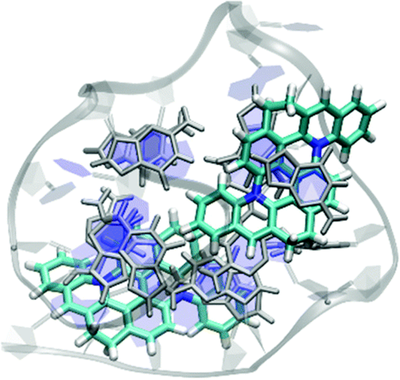
This research theme focuses on designing advanced probes for medical imaging and molecular biology applications.Our key research areas include: Fluorogenic and magnetogenic probes for imaging and diagnostic applications, MRI contrast agents based on supramolecular xenon–cryptophane complexes and Photogenerated extended heteroaromatic structures with exceptional DNA/RNA binding properties, including high-affinity G-quadruplex probes. Our goal is to develop cutting-edge tools for molecular detection and medical imaging, with potential applications in targeted therapies.
People involved: T. BROTIN, N. De RYCKE, L. GUY, J. HASSERODT
 |
 |
 |
|
|
MRI probes |
Enzyme activity-based probes |
Fluorescent G-quadruplex ligands |
Chemistry in Confined Space
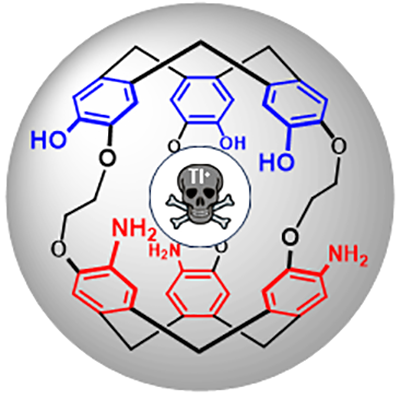
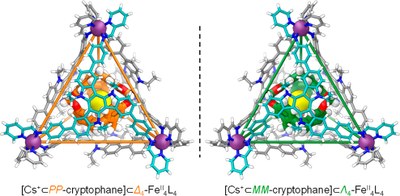
This research theme builds on well-established expertise in organic synthesis, self-assembling, and molecular recognition. Its main focus is the recognition of a broad range of substrates in solution (including gases, metal ions, and metabolites) as well as supramolecular catalysis using host molecules such as cryptophanes, hemicryptophanes, and dynarenes. The role of molecular chirality is central to improving our detailed understanding of molecular recognition phenomena and stereochemical information transfer during self-assembly processes. In this context, the synthesis and investigation of the chiroptical properties of enantiopure chiral architectures constitute a major research activity.
People involved: T. BROTIN, N. De RYCKE, J.-P. DUTASTA, J. LECLAIRE, F. PERRET, L. VIAL
 |
 |
 |
|
|
Thallium complexation |
Russian dolls |
CO2 capture |
Responsive molecules and supramolecular materials
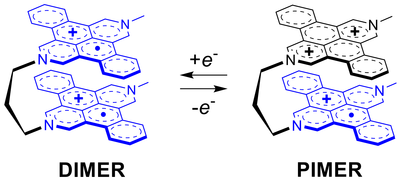
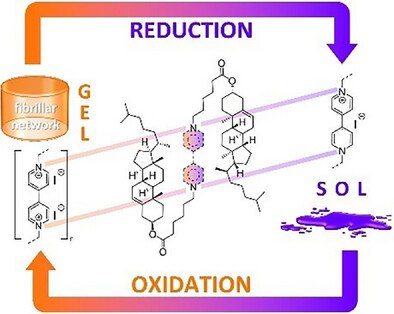
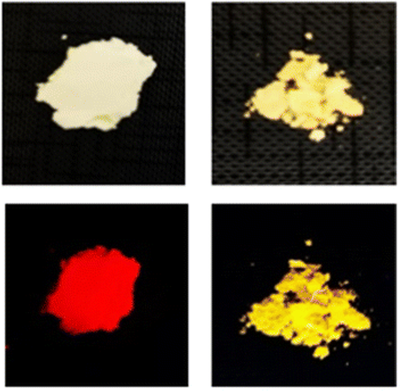
The research theme « Responsive molecules and supramolecular materials » focuses on leveraging the principles of supramolecular chemistry in the fields of nanoscience and materials science. In particular, it aims at developing (supra)molecular architectures and “smart” materials whose properties can be controlled and modulated in response to external stimuli, primarily electrical or optical in nature. These studies range from the design of original concepts in molecular switching (molecular switches or machines), to stimuli-responsive supramolecular polymers and gels, and extend to the fabrication of thin films and functional surface for chiroptical, electronic and thermoelectric applications.
People involved: C. BUCHER, F. CHEVALLIER, D. FRATH, L. GUY, F. PERRET
 |
 |
 |
 |
|
|
Molecular switches |
Electrically responsive gels |
Luminescent coordination polymers |
Chiral dyes |
Dynamique Combinatorial Chemistry
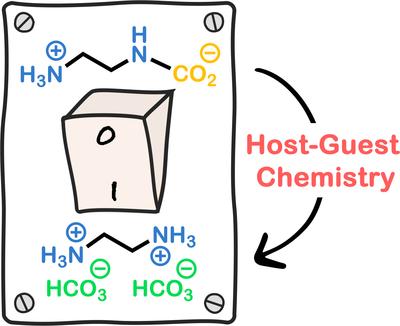
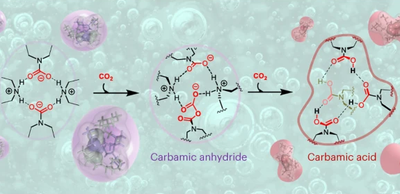
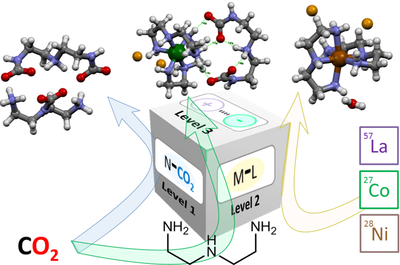
We are developing unique expertise in the design, analysis and optimisation of complex molecular and supramolecular systems derived from CO₂ capture using liquid absorbents. This work focuses on the development of advanced methods and tools for describing and understanding interconnected chemical and physical equilibrium networks. The targeted applications include: the recovery of CO₂ integrated into capture processes; the recognition, transport and separation of target molecules from complex deposits; the customised production of eco-materials, including inorganic materials derived from accelerated mineral carbonation and self-repairing organic materials; the eco- and biosourcing of the molecular agents required for these systems and architectures.
People involved: J. LECLAIRE, L. VIAL
 |
 |
 |
|
|
Adhesive gels WO2025168726A1 |
Cooperative CO2 capture |
CO2 capture and metal purification |
FUNDING
Agence nationale de la recherche 
- ElectroMagnet (ANR PRME, 2025-2029, F. Chevallier) - Towards electroresponsive molecular and supramolecular magnetic machines
- AtropoPhotoCat (ANR PRC, 2024-2028, J.P. Dutasta & N. De Rycke) - Atroposelective synthesis of heterobiaryls using supramolecular photoredox organocatalysts
- Carmin (ANR PRC, 2024-2027, J. Leclaire) - Catalyzed carbon mineralization integrated to capture
- FuN2 (ANR PRC, 2024-2027, C. Bucher) - N2 Functionalization using a family of (XCX)M complexes
- ChiroSwitch (ANR JCJC, 2023-2026, D. Frath) - Metamorphic approaches for on-surface switching of chiroptical properties
- MOTIC (ANR PRC, 2023-2026, F. Perret) - Metal organic thiolate coordination polymers as innovative thermoelectric materials
- STARGATE (ANR PRC, 2023-2026, C. Bucher) - Synthesis of electron-deficient conjugated nanorings by host-guest templates
- ANGEL (ANR PRC, 2022-2025, C. Bucher) - Radically responsive metal-organic supramolecular gels
- EnaReCAnions (ANR JCJ, 2022-2025, N. De Rycke) - New Enantiopure Receptors Family for Selective Recognition of Chiral Anions in Aqueous media: Strong ECD Response Expected
- CAORSS (ANR PRC, 2021-2025, T. Brotin) - Comprehension of solvent structure with Raman Optical Activity
Région Auvergne-Rhône-Alpes 
- C-SAM (Ambition Internationale, 2024-2026, D. Frath) - On-surface chiroptical properties in SAM for photonics and optoelectronics
- DRIBA (AAP Booster, 2023-2025, J. Hasserodt) - Development of a bovine mastitis test product
BPI France 
- PYTHIA (AAP i-démo, 2023-2028, J. Hasserodt) - Development of a product in the in-vitro diagnosis of antibiotic resistance
Pulsalys 
- IDEA (pré-maturation, 2024-2025, J. Leclaire & L. Vial) - Biocompatible adhesive foams
CNRS Innovation 
- Fenhance (AAP pré-maturation, 2023-2026, J. Hasserodt) - Pre-maturation of contrast agent technology for MRI
Europe 
- NextNano4Cancer (ERA4Healph, 2025-2028, F. Perret & L. Vial) - Next generation of nanocontainers for cancer treatment
Région hauts-de-france 

- SEPAR8 (FTJ, 2024-2028, J. Leclaire) - Innovative process for recycling end-of-life Li-ion batteries
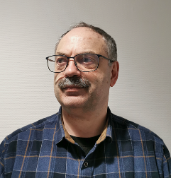
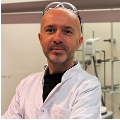
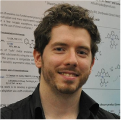
PERMANENT MEMBERS
|
DR CNRS |
DR CNRS |
MCF HDR ENSL |
MCF ENSL |
DR CNRS |
CR HDR CNRS |
|
Cage molecules, Host-guest Chemisty |
Responsive molecules and supramolecular materials |
Electron-responsive molecules and assemblies | Host-guest chemistry, Chiroptical properties | Molecular cages, Supramolecular catalysis |
Responsive soft materials, Surface self-assembly |
|
IR HDR ENSL |
Prof. ENSL |
Prof. UCBL |
MCF HDR UCBL |
CR HDR CNRS |
|
| Chiroptical materials |
Magnetogenic & fluorogenic probes |
Dynamic separation systems | Dynamic combinatorial chemistry for biology | Molecular recognition in water |






PUBLICATIONS
Articles produced by the laboratory are available on the HAL archive website